Childbirth & Incontinence Urogynecology & Pelvic Wellness
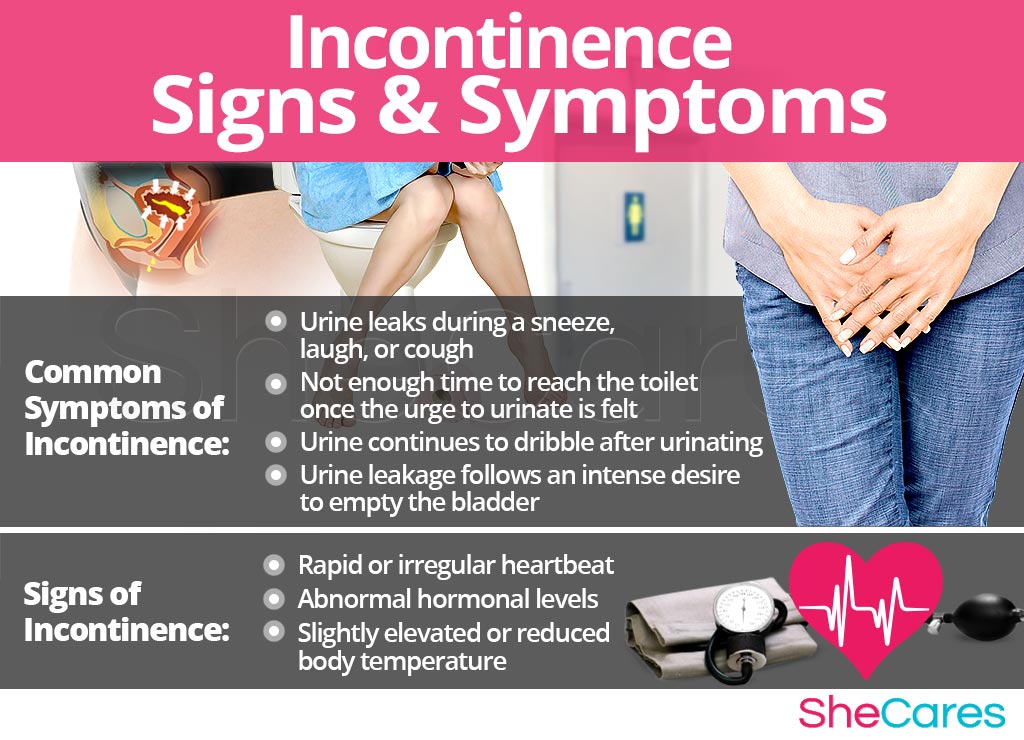
Postpartum Incontinence: Why It Happens And How To Treat It Urinary incontinence is the loss of bladder control, or leaking pee. Some women may benefit from bladder training for urinary incontinence, a strategy that includes gradually enhancing the time between restroom visits to improve bladder capability and decrease the frequency of advises. The details included in these video clips is planned to be utilized for educational purposes just and does not make up medical recommendations or treatment for any type of details condition. Hinge Health is not your healthcare provider and is exempt for any injury suffered or exacerbated by your use or participation in these exercises. Please seek advice from your doctor with any type of inquiries you might have concerning your clinical problem or treatment. This added stress or stress on the bladder and urethra can trigger urinary incontinence or leak. Postpartum urinary system incontinence often boosts as your pelvic floor muscle mass and cells recuperate after pregnancy and giving birth. Gentle stretches, targeted workouts, and straightforward lifestyle adjustments can aid speed up your recovery and lower pee leaks. Normal exercise helps sustain your overall health and can play a vital function in preventing and taking care of postpartum urinary system incontinence. Staying energetic prior to distribution keeps your muscular tissues-- specifically your core, hips, and pelvic flooring-- solid and coordinated, much better preparing your body for birth and recuperation. When you restrict water intake, your pee becomes extra concentrated, which can aggravate the bladder and boost need to go. Staying well-hydrated helps keep your bladder lining healthy and may make it easier to take care of leakages. If you consume recognized bladder irritants, consuming additional water can help weaken their effects. Dripping urine when you laugh, cough, sneeze, or bend over to pick up your infant-- or possibly just a constant dribble when you least expect it. Postpartum urinary incontinence may not be a hot infant shower subject, but leaking pee after giving birth is an usual experience that impacts concerning one in three individuals postpartum. Before suggesting any therapy for your urinary incontinence signs, Dr. Roberts carries out a physical examination, in some cases including exams and testing focused on your bladder function.
Over 20,000+ 49-star Reviews
The length of time does bladder urinary incontinence last after childbirth?
For some people urinary incontinence will solve automatically as the pelvic floor heals. After a few weeks postpartum you should start to discover signs and symptoms boosting. If you observe signs and symptoms are not boosting by 6 weeks postpartum or if you ever before notice signs becoming worse, it is time to reach out for aid.
Discover Ucla Health And Wellness
Numerous ladies think dripping while energetic months after distribution continues to be unpreventable - just component of being a mom. Or that with innovative age, crashes need to be handled versus rectified. Breath holding and pressing out by force instead of inhaling deeply/exhaling fully during physical effort provokes pelvic floor descent. Correct three-dimensional breathing technicians train optimal diaphragmatic and pelvic floor sychronisation, decreasing leakages.Inspect Your Coverage For 100% Totally Free Urinary Incontinence Products Now!
It can take a few weeks and even months for urinary system incontinence after maternity to vanish and for you to regain total bladder control, though there are steps you can require to obtain it back faster. Nevertheless, some females Yoga therapy might experience urinary system incontinence for longer. Forceps boosts the risk of injury to the nerves and muscles Desmopressin of the pelvis. Forceps are the spoon-shaped steel instruments that are in some cases inserted into the mom's vaginal area and placed around the infant's head at the time of distribution. These tools are typically utilized after a lengthy or difficult labor to aid deliver a baby.- Physicians rarely have time to talk with their people in any kind of information concerning the actions of labor and childbirth, and giving birth educators load this requirement well.
- Empirical studies, released in between January 1998 and March 2020 and reporting on prevalence and occurrence between 6 weeks and 1 year post-partum, were included, despite type of UI or setting.
- Nevertheless, for some ladies, postpartum urinary incontinence can continue for months and even years.
- But after, infant, going back to running, you leakage pesky pools at every action.
- While Kegels appear the sensible remedy for SUI and pelvic floor rehab, just trying to "squeeze vaginal muscle mass" stops working to acquire the proper deeper muscle mass planes.
- Nevertheless, over half of the females with UI post-partum assume that it will boost on its own in time and only 25% of females with post-partum UI really seek assistance [67]