Maturing Changes In Physique: Medlineplus Medical Encyclopedia
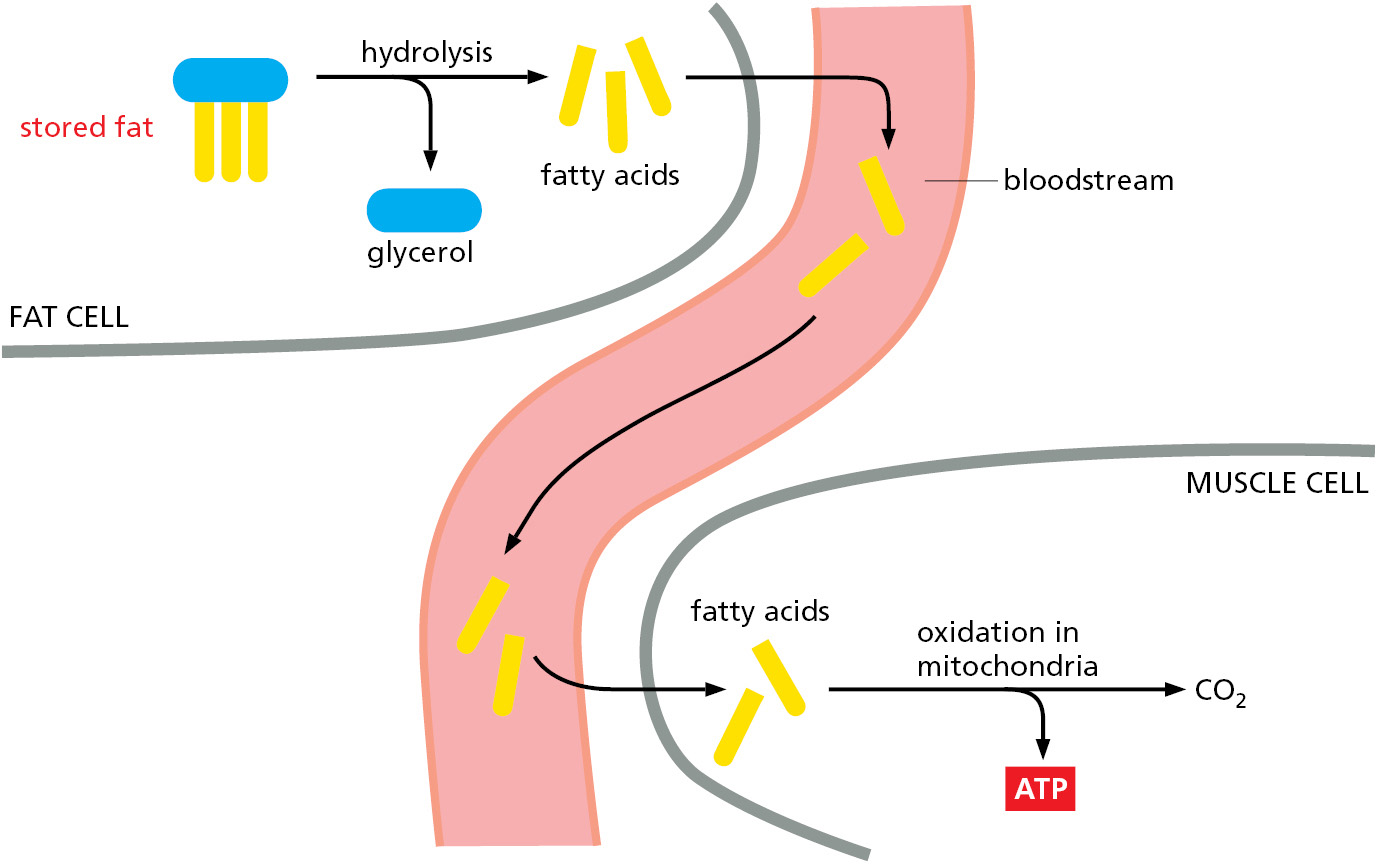
How Does Your Body Burn Fat? Natriuretic peptide generates lipolysis in humans, yet not in rats (361 ), while adrenocorticotropic hormonal agent and alpha-melanocyte-stimulating hormonal agent regulate lipolysis in rodent yet not human adipocytes (362,363). Consequently, it is important to make up these distinctions and commonness in AT lipolysis amongst species. The ECM has clear duties in the regular advancement and function of adipocytes, but over can likewise play duties in weight problems growth and metabolic disorder. Our understanding of the adipose ECM has deepened recently, but much more research study is required to much better mark how ECM elements and their interactions can straight affect AT physiology and pathophysiology.
Micronutrients That Support Endocrine Function And Weight Reduction
Chemically, fats (or lipids), are hydrophobic (' water fearing') due to the fact that they include several carbon atoms bound to every other and are bordered by hydrogen.
Adipokine levels in the blood are numerous orders of magnitude higher than that of insulin.
The last step in TAG synthesis, re-esterification of circulating free fatty acids, mediated by diacylglycerol acyltransferase (DGAT) (37,38).
In computer mice fed high-fat diets to cause obesity, APs form new adipocytes primarily in the visceral depot (299,302). Although limited data report reduced AP spreading and distinction capability from human beings with excessive weight compared to lean people (314 ), convincing evidence for depot-specific AP populations in people has arised. Subcutaneous APs were shown to have a greater development price and adipogenic possible than visceral APs, giving rise to even more useful adipocytes (315,316). Significantly advanced approaches for analyzing APs in mice will help assist in the identification of the beginnings of all APs for each adipose depot as well as the specific niches in which they stay.
What burns fat on the body?
People normally shed virtually one-half inch (around. 1 centimeter) every one decade after age 40. You might shed an overall of 1 to 3 inches (2.5 to 7.5 centimeters) in height as you age. You can assist reduce elevation loss by following a healthy and balanced diet, staying physically active, and avoiding and treating bone loss. Older individuals may have almost one 3rd more fat contrasted to when they were younger.
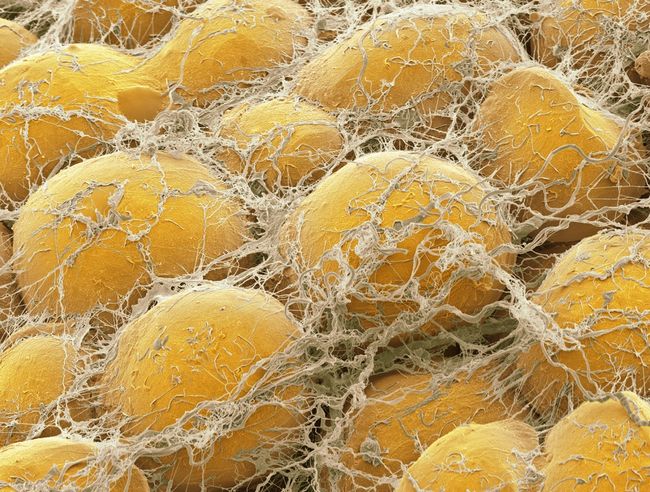
Non-obese People With Type 2 Diabetes Have Larger Fat Cells Than Healthy And Balanced Controls As A Significant Adipose Phenotype
Little modifications in subcutaneous sugar uptake capability might for that reason likewise be of relevance in humans. Furthermore, huge omental cells may directly influence liver and muscle sugar exercise through yet unidentified moderators launched right into the blood circulation. Nevertheless, it is most likely that an issue in cellular insulin action in fat is of relevance for the advancement of insulin resistance in various other body organs, which it hence can add to whole-body insulin resistance and threat of establishing kind 2 diabetes mellitus. However, it is not possible from this cross-sectional research to establish time partnership and causality in between fat cell size and whole-body insulin resistance and type 2 diabetes mellitus. Body Contouring Consultation After the growth of kind 2 diabetes mellitus, elements other than fat cell size most likely become more important in the promotion of insulin resistance, e.g. high NEFA and glucose degrees [20] At the beginning of the experiment (5 weeks of age), C57 mice were substantially lighter than FVB computer mice (Fig. 1A) due to a difference in lean mass, although total fat mass was not different (Fig. 1B). The finding that human resistin comes from not in adipocytes however in mononuclear lymphocytes raised the opportunity that the hormonal agent may have unique duties in both species. An elegant computer mouse model was produced to resolve this issue, the so-called humanized resistin computer mouse. In these mice, the endogenous resistin gene (usually shared in adipocytes) was removed, and the macrophage-expressed human resistin gene was placed (180 ).